
Restore your horses hooves to their natural form
Building healthy, strong, barefoot hooves with True Hoof Trimming
Signed in as:
filler@godaddy.com

Building healthy, strong, barefoot hooves with True Hoof Trimming

In my trimming work, I focus on ensuring your horse feels comfortable, balanced, and moves naturally. I tailor my approach to each horse's unique needs, aiming for a heel-first landing that strengthens hooves, supports soft tissues, and improves overall mobility
Horses in the wild wear their hooves down traveling up to 20 miles a day. So simulating that wear for our domestic horses, through proper trimming, creates strong, properly functioning hooves
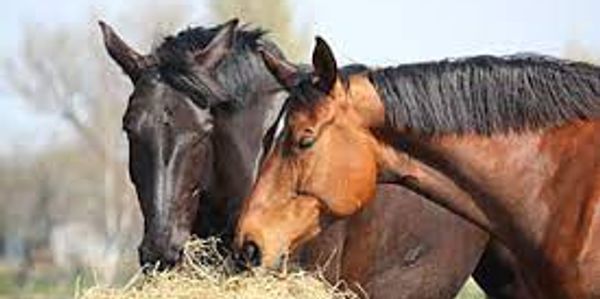
You know the saying, "No hooves, no horse"? It's spot on! Your horse's diet plays a huge role in their hoof health.
Making sure your horse's diet not only has enough essential minerals but also maintains a balance between minerals that vie for absorption will significantly boost hoof health and quality.
Not every hoof trim is created equal—it's not just about a good trim but combining it with other practices like a natural diet, boarding, and horsemanship that really brings out the best in your horse.
Ever heard of the Natural Trim? It's a barefoot trim that mimics how wild, free-roaming horses wear their hooves. But remember, not every trim fits the bill of being "natural".
The hoof? It's like a dynamic extension of your horse's whole lifestyle, adapting and changing along with them.
The health of horses shows up in their hooves
The natural trim mimics the natural wear patterns on the hooves of the wild, free-roaming horses and, as a result, more natural growth patterns occur. A “regular” trim is a result of myriad other ideas but none that are necessarily related to the hooves of the healthy horses living naturally in an adaptative environment
You need to know the cause of the tenderness or “ouchiness.” There is nothing wrong with using boots while riding to make the horse more comfortable as long as the management practices are not contributing to or causing the discomfort—such as over-trimming (invasive trimming) that would render him sore or a diet that is causing tenderness. Put them on, go for a ride and then immediately remove them.
An abscess is a collection of pus that has built up inside tissue, usually caused by a spectrum of invasive bacteria that cause an infection.
Invasive trimming, errant horseshoe nails and drilling by vets will cause abscesses because they open the dermal foot to environmental pathogens (i.e., bacteria, viruses, and fungi).
Get him out of the pasture! A “good pasture” for a horse is not likely what you, as a caring horse owner, have in mind. In reality, a good pasture for a horse is basically the arid, high desert biome of the Great Basin where bunch grasses grow few and far between, and the landscape is made up of a lot of dirt, rock and scrub plants. One of the most obvious visual characteristics of laminitis are hooves like you describe and so, the question of grain is a moot point in this scenario. Get the horse out of what you feel is a “good pasture,” put him on a track around the pasture and watch the cracks disappear. Ruggedness will replace the shelly, brittle walls. I would highly recommend you read another of Jaime’s books, “Founder: Prevention and Cure the Natural Way
Horses should not be trimmed in a manner that forces them to walk on their soles as their primary support structure. If you believe your hoof care practitioner or farrier is putting your horse in this situation, get a second opinion.
Copyright © 2023- 2024 TrueHoof - All Rights Reserved.
We use cookies to analyze website traffic and optimize your website experience. By accepting our use of cookies, your data will be aggregated with all other user data.